
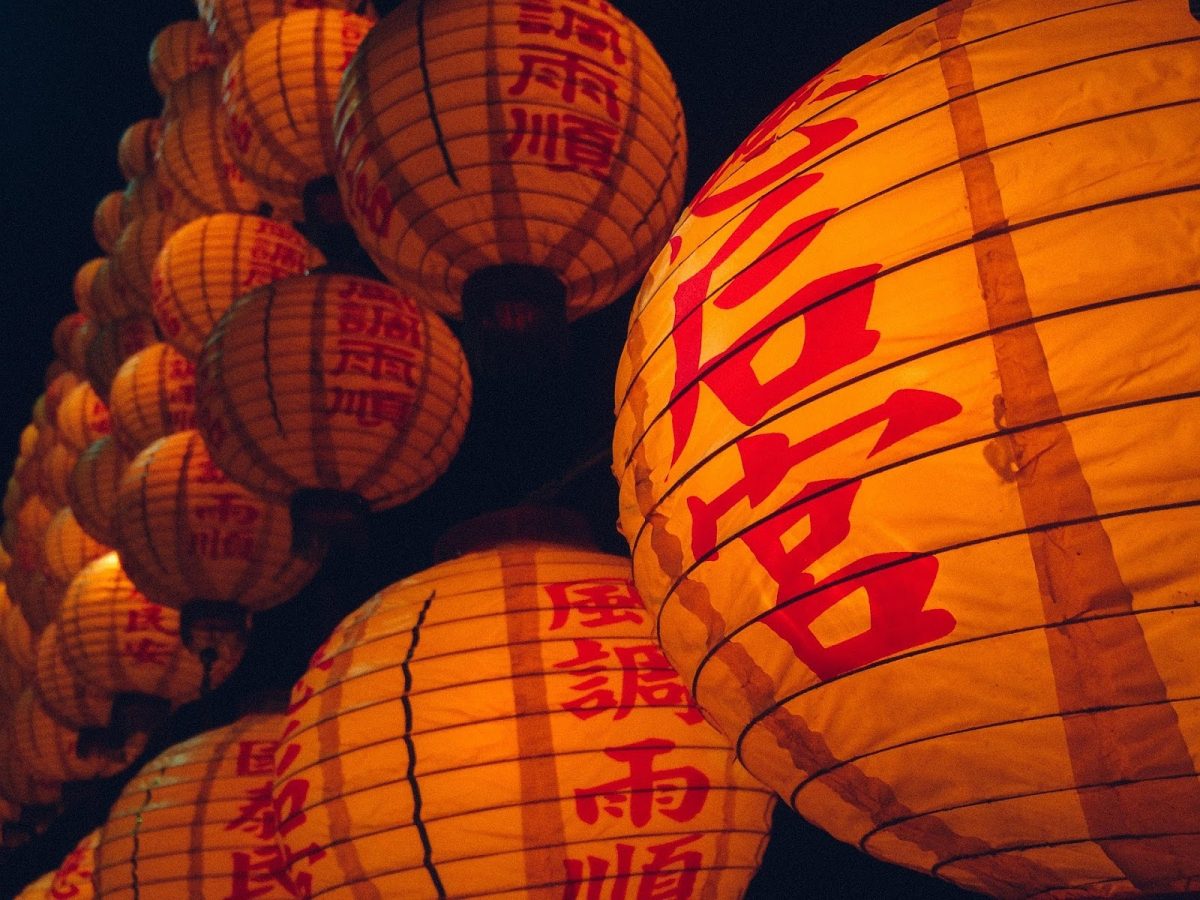
As lanterns fly in the air, red envelopes spread, and steam rises from a plate of dumplings, millions of people get ready to celebrate the Lunar New Year. The holiday, typically called Chinese New Year, starts with the first new moon of the lunar calendar and lasts around 15 days. The 2026 celebration marks the “Year of the Horse”, which traditionally represents intensity, transformation and drive.
There are an immense number of traditions during the Chinese New Year and one of the most important ones revolves around food. The many dishes served during the day of the lunar new year carry many traditions, meanings, and symbols. The dinner table is thought to reflect the upcoming year, whether it be prosperity, luck, or wealth.
According to History.com there are “10 Symbolic Foods of Lunar New Year”
- Noodles
- Citrus Fruits
- Sweet Rice Balls
- Golden Spring Rolls
- Fish
- Bánh Chưng
- Dumplings
- Korean Rice Cake Soup
- Nian Gao
- Leafy Greens

Courtesy of Twomeows_IS from Pixabay
While there are many traditional foods to eat, some stand out more than others. The most notable foods of the lunar new year are listed below:
Dumplings: Thought to bring prosperity and wealth, they resemble “Gold Ingots” which were currency used in China in imperial times. In some households, a coin is hidden inside one dumpling, and whoever finds it is said to receive extra blessings and prosperity. Dumplings will always be an extremely important tradition in all families on the Lunar New Year.
In an article written by the BBC it says, “With time, it [dumplings] became a favourite across the country, especially during holidays… This explains why jiaozi are popular during China’s Lunar New Year.”
Noodles: Representing love life and prosperity, this tradition circles back to over 4,000 years ago, making noodles one of the longest lasting traditions. It was thought that eating noodles could make people live longer and appear younger in appearance. The most important part is the length of the noodles. On the New Year, noodles must be long and unbroken, or else it reflects in a broken life.
Fish: This food represents abundance. In most households, there will be an entire fish on the table at dinner time on the Chinese New Year. Families often prepare a whole fish, symbolizing completeness and unity, and it is sometimes left partially uneaten to represent surplus carrying into the next year.
NBC says, “Eating an entire fish on new years symbolizes abundant food, money and luck for the new year.”
The traditional foods eaten on the Chinese New Year are far more than just delicacies to savor; they represent what the upcoming year has in store for people. Dumplings represent wealth, noodles symbolize longevity, and fish signifies abundance for the year ahead. Each food eaten carries generations of deep meaning. This holiday overall is not just a day of celebration, but a day of passing down traditions for years to come.