
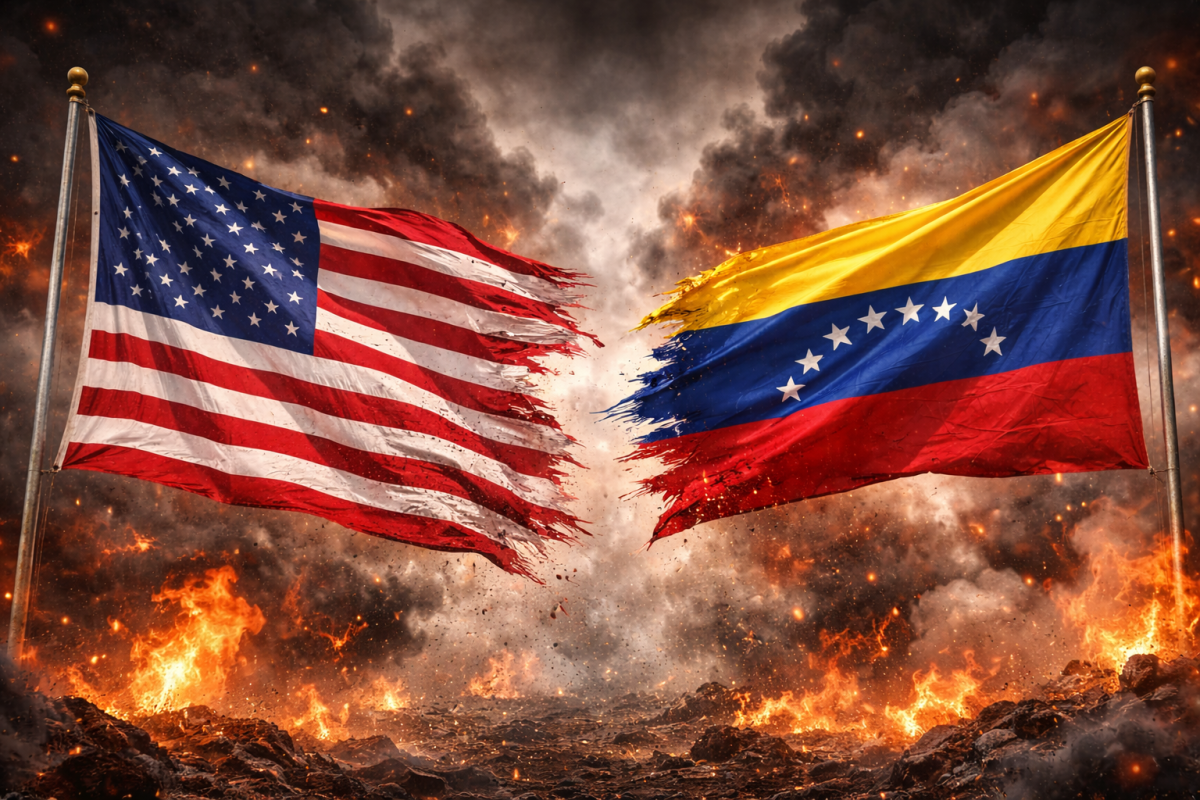
In the weeks following America’s military operation inside Venezuela that detained the Venezuelan President Nicolás Maduro on the 3rd, many are fearing that this strike will provoke war between the two nations, but how did Venezuela and the United States reach a point where the nations are at risk of going to war?
People across the world have been shocked by the recent escalation of tensions between the United States and Venezuela, culminating in a military strike by the United States that detained the Venezuelan president Nicolás Maduro on January 3. However, these actions did not happen in a vacuum, as they are the culmination of a growing, decades long split between the United States and Venezuela.

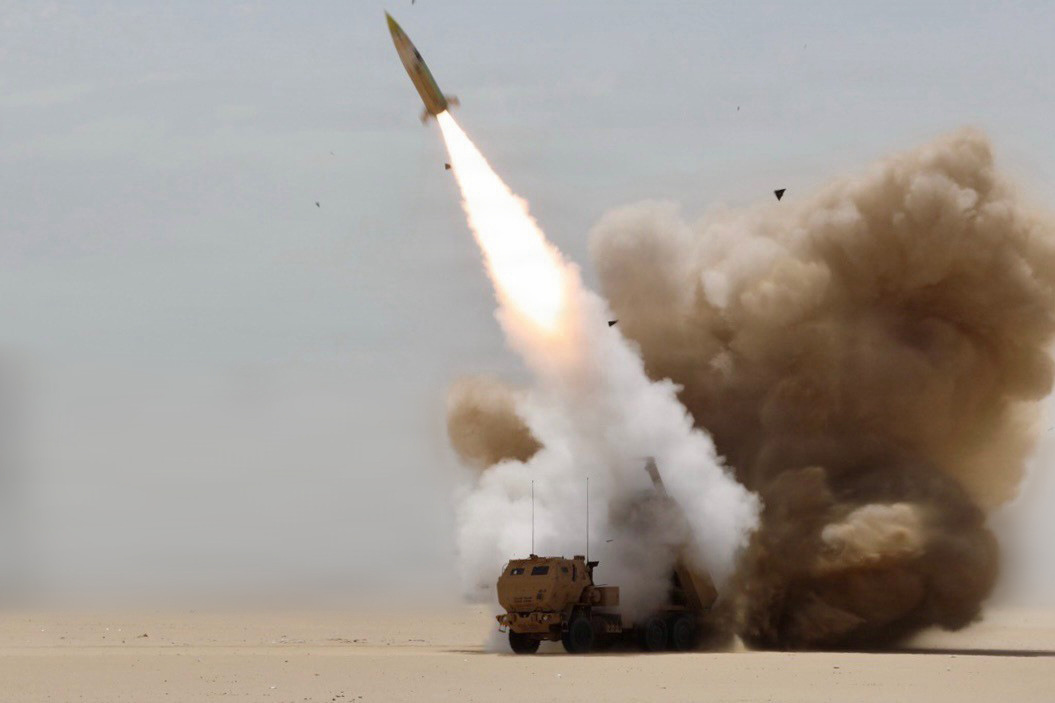
United States Department of Defense, Public domain, via Wikimedia Commons
In the early morning of January 3, U.S military, utilizing special operations units such as the Delta Force, launched massive strikes across the nation’s capital of Caracas, which resulted in the capture of Maduro and his wife, Cilia Flores. Both are currently held in New York and are awaiting charges of narco-terrorism, drug trafficking, and weapons possession. The Operation is the culmination of a months-long campaign by the United States against drug trafficking operations in the Caribbean, which the U.S claimed Venezuela was assisting in.
Trump would later announce that the United States would “run Venezuela” though he has yet to definitively say whether this would entail a military occupation of Venezuela, as the only definitive claim is that Venezuela’s oil reserves will be run by U.S firms that would “develop Venezuela’s vast oil reserves and recoup allegedly stolen oil money” according to the Council on Foreign Relations.
In the interim, the Venezuelan government appointed vice president Delcy Rodríguez as interim president and declared a national state of emergency.
The Red Petro-state : How Venezuela Transformed into a U.S Adversary
Nowadays, many people think of Venezuela in the context of its current socialist government that has ruled the nation for over 25 years, but it is important to understand that this government rose out of a nation already in deep political and economic turmoil.
Throughout the early to mid 20th century, Venezuela was defined by ineffective, authoritarian governments led by military dictators who employed kleptocratic policies that sought to enrich themselves and their allies at the expense of the rest of the nation.
This system of military autocracies would last until 1958, where, following a coup by democratically aligned officers against the reigning military dictatorship, the three main political parties of Venezuela, the Acción Democrática (AD), Comité de Organización Política Electoral Independiente (COPEI), and the Unión Republicana Democrática (URD), all agreed to adhere to the Punto Fijo Pact, which would see all three parties respect that year’s elections and ensure that the nation’s new democratic systems were maintained while also preventing the dominance of any single party.

Ricardo Patiño, CC BY-SA 2.0, via Wikimedia Commons
Over the next couple of decades, Venezuela’s democratically elected government was able to ride global increases in oil prices to see an economic surge. Following the 1973 Oil Crisis, the nation had the highest per-capita income in Latin America, with oil prices quadrupling worldwide and the Venezuelan government receiving a majority of the earnings via the now nationalized oil industry in the hands of the Petróleos de Venezuela, S.A. (PDVSA).
Whilst the Punto Fijo Pact was crucial in ending the cycle of military dictators that had been ruling Venezuela and helped ensure lasting democracy in Venezuela, it also contained some large consequences. The main consequences were that it locked the nation in a rigid two party system between the COPEI and AD, which served to insulate rampant corruption allowing it to infect the state’s institutions, especially its oil industry with a supposed $100 billion being embezzled from the state between 1972 and 1997.
This state of corruption and political stagnation would leave the country unprepared for the 1980s, which would see a significant drop in oil prices globally. This global drop hit Venezuela hard, with the economy now stagnating, inflation skyrocketing, and massive debt from previous oil purchases now making its presence known. People soon began to call for change, and an end to the political inflexibility that had been brought by the Punto Fijo Pact, with many also calling for more radical policies and actions to help revive the Venezuelan economy.

Store norske leksikon, PDM-owner, via Wikimedia Commons
It was this state of political and economic dysfunction that a previously unknown military officer began to make his presence known, Hugo Chavez. Inspired by the 19th century Venezuelan leader and revolutionary Simon Bolivar as well as the left wing Peruvian military junta of the 1970s, Chavez would form the Revolutionary Bolivarian Movement-200 (MBR-200) within the military. Chavez began to gain a reputation from his role as a teacher at the Military Academy of Venezuela as a socialist firebrand, giving as the Council on Foreign Relations puts it “Rousing lectures and pointed criticism of the Venezuelan government” with him traveling the country to recruit more members to his covert, revolutionary movement.
The definitive turning point for Venezuela was in 1989. That year, the Venezuelan president Carlos Andres Perez attempted to bring in free market reforms to try and solve Venezuela’s economic troubles. Alongside these reforms were new austerity measures brought to the country as part of a financial bailout from the International Monetary Fund. In February of that year, caused by a massive increase in gas prices, the capital city of Caracas erupted into massive rioting, known as the “Caracazo”. With typical law enforcement services overwhelmed, the government quickly ordered the military to step in and end the rioting. The Venezuelan military proceeded to launch a brutal crackdown on the riots, using live ammunition to help suppress the crowds. While the government claimed only 275 people would die in the riots, many Venezuelan media sources placed the death count at at least 3,000 according to the Council on Foreign Relations.

Yrmauhili, CC BY-SA 4.0, via Wikimedia Commons
The events of the Caracazo and the government’s brutal crackdown on it polarized the Venezuelan public as well as its military, causing Chavez’s MBR-200 to grow as many began losing faith in Venezuela’s democratic system, with the Council on Foreign Relations stating that the riots shattered “the image of Venezuela as a harmonious, functional democratic state”.

Prensa Presidencial, CC BY 3.0, via Wikimedia Commons
In February 1992, with the MBR-200, Chavez attempted a coup against Perez’s government. The coup was plagued by complications and Chavez would later surrender on national television, joking that he had only failed “for now” according to the Council on Foreign Relations, connecting him with the public and establishing him as a rising political star. Previous president, Rafael Caldera, also stated that the coup was a necessary and legitimate response to the corruption created by the Puntofijismo. Later in November, a second coup by airforce officers loyal to Chavez would occur while rebel forces took over the state run tv station Venezolana de Television, furthering the attention towards Chavez even as the second coup was likewise crushed.

Prensa Presidencial, CC BY 3.0, via Wikimedia Commons
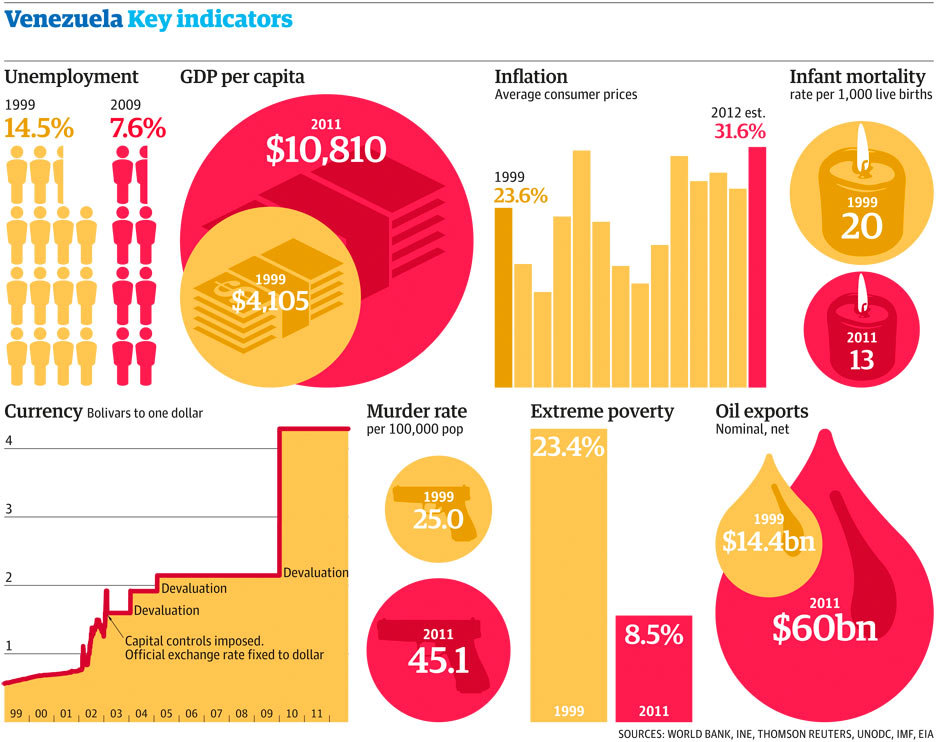
Following his release from prison in 1994, Chavez, riding off of his popularity gained from the coup attempts, would run for president in the 1998 elections with his Fifth Republic Movement, an evolved version of the MBR-200 according to EBSCO. Chavez advocated for what he called the Bolivarian Revolution, a set of social and economic reforms which promised to do away with the old Venezuelan political system and bring in one that would end corruption and poverty and open up the nation’s political system, using the nation’s vast oil reserves to help with these plans. Chavez’s political rise was the first sign of Venezuela’s split with the United States, with Chavez positioning the Bolivarian Revolution as a response to American economic imperialism according to EBSCO. These messages resonated with the Venezuelan population; the nation was suffering from a 14.5% unemployment rate, and extreme poverty rate of 23.4%, and had endured five recessions since 1990 according to the Guardian and the Council on Foreign Relations respectively. Chavez would ultimately win the election, with over 56% of the nation voting for him.
Once he took office, Chavez launched his Plan Bolivar 2000, which entailed mass nationwide anti-poverty programs and infrastructure projects such as construction of roads and housing as well as mass vaccination programs across the nation. These actions from Chavez earned significant popularity amongst the people, which allowed him to create a new constitution that increased the presidential term to six years, increased presidential powers, converted the bicameral National assembly into a unicameral legislature, as well as outlawing government financing of political party campaigns. He was reelected in 2000 with a larger share of the votes.
April of 2002 would see a major crisis for Chavez’s government. That year, up to one million people began protesting against Chavez over his decision to appoint his political allies to leading roles in the PDVSA , leading to clashes between the protestors and Chavez supporters leaving 19 dead and many more wounded. As a result of the violence, members of the military high command overthrew Chavez, replacing him with businessman Pedro Carmona, who would proceed to dissolve congress and suspend the constitution. The coup was condemned across Latin America, and Chavez would return to power only two days later after the Presidential guard seized the palace used by members of the coup.
The coup ultimately served as a turning point for Chavez, as he was now more willing to engage in autocratic actions to maintain his control over the nation. The coup would also see another significant drop in American-Venezuelan relations, with the US government briefly acknowledging Carmona’s government as legitimate. Chavez used the popularity he had fostered with Venezuelans to gradually edge the country towards authoritarianism, with Chavez removing term limits from the presidency, taking control of the supreme court, harassing and closing many independent news outlets, and nationalizing many more of the nation’s industries. These actions would lay the foundation for Chavez’s successor Maduro to establish himself as a dictator.
Later that same year, following a two month strike by PDVSA workers to try and force Chavez out of power, Chavez would fire not only the top management of the company but also around 18,000 employees. Some point to this action as what would begin Venezuela’s long decline in it’s oil production, with the Council on Foreign Relations stating that the action “gutted the company of important technical expertise”.
2004 would see another attempt by opposition groups to unseat Chavez, attempting a presidential recall that would ultimately fall through, with 59% of the voters rejecting the attempted recall. The next year would see Chavez form the two million strong military reserve for defence against foreign invasions. This year would also see another definitive decline in U.S-Venezuelan relations, with Chavez announcing that the two nations would end their 35 years of military partnership, with tensions between the nations also being increased by both Chavez’s growing relationship with Cuba as well as Chavez increasing his anti-American rhetoric. The rest of the year saw Chavez continue to grow closer with American rivals such as Russia and Iran, with him calling president George W. Bush the “devil” the next year at the U.N General Assembly.
2006 saw Chavez continue to solidify his power. After winning that year’s election, he stated that “Nothing can stop the revolution”, and announced his intention to create a single political party from his Fifth Republic Movement that would contain all of his supporters, the United Socialist Party of Venezuela (PSUV). Around 20 other parties would join the PSUV.

Kremlin.ru, CC BY 3.0, via Wikimedia Commons
From this point onward, Chavez ruled effectively unopposed. He would withdraw from both the World Bank and IMF in 2007 after paying off Venezuela’s outstanding debt, instead creating the Bank of the South to fund development in South America. Chavez would further solidify his power, fully abolishing term limits for the presidency, even as reports of human rights abuses began to emerge from the nation. Even after the PSUV lost the popular vote in the 2010 election, Chavez was able to retain power via redrawing of congressional districts that allowed the PSUV to retain its legislative majority. Relations would also continue to plummet with the United States after Venezuela expelled the U.S ambassador from the nation, with the United States imposing new sanctions upon the nation. Relations with the US were also damaged as the U.S Government Accountability Office (GAO) levied claims of increased drug trafficking inside Venezuela, and citing widespread government corruption and support for drug trafficking.
Chavez would die from cancer in 2013, leaving behind a mixed legacy. While his presidency did see a reduction in the poverty and unemployment rate seen in the 1990s as well as growth in the nation’s GDP, it came at the cost of mass inflation, increased crime, and severe democratic backsliding that would allow future leaders to have dictatorial power whilst the nation’s nationalized oil company transformed into a “dysfunctional, corrupt, and bloated institution run by military and political allies that lacked experienced technicians” according to the Council on Foreign Relations. In the elections that year, Chavez’s protege Nicolás Maduro would narrowly win the election with 50.6 percent of the vote.

Maduro would cement his power as an autocrat via electoral fraud, censorship, and political repression with loyalist gangs known as colectivos. The nation’s economy also began to seriously falter in the face of global oil price drops in 2014, further worsened by sanctions against the nation from the United States and other nations. The 2018 elections would see Maduro win the election against opposition figure and head of the national assembly Juan Guaidó in results widely seen as fraudulent, with many nations such as the U.S recognizing Guaidó as president. Maduro’s regime would also see a massive humanitarian crisis in Venezuela, with thousands leaving Venezuela daily as the country continued to decline, with widespread food and medicine shortages exacerbated by Maduro’s initial refusal of foreign aid. The Venezuelan economy would recover slightly in 2021 and 2022 as Maduro implemented reforms that brought slight amounts of privatization to the economy, as well as reforming the currency to stop rampant hyperinflation.
2024 would see yet another election plagued by fraud in Venezuela, with Maduro claiming victory against opposition candidate Edmundo González despite widespread evidence that González won by a wide margin, with many nations refusing to recognize Maduro as president.
2025 Would see Trump begin his campaign of “maximum pressure” against Venezuela, accusing the nation of widespread drug trafficking supported by the state, with Trump claiming that Maduro was the head of the Cartel de los Soles (Cartel of the Suns), a loose criminal network among the high ups in the Venezuelan military and government, with him labeling the cartel a terrorist organization. Trump also authorized military force to be used against Latin American drug networks that year and deployed the U.S Navy and Marine Corps to the Caribbean to prevent further drug trafficking, which escalated to the January 3rd operation that deposed Maduro.